Radiocarbon Dating
What is Radiocarbon Dating?
Radiocarbon dating is a scientific method used to determine the age of organic materials—like wood—by measuring how much carbon-14 remains. All living things naturally absorb carbon-14 from the atmosphere during their lifetimes. After death, the amount of carbon-14 in their remains begins to slowly decrease at a known rate. By analyzing how much carbon-14 is left in a sample, scientists can estimate when the organism died or, in the case of wood, when the tree was cut down. By testing a small piece of that wood, we can estimate when the tree was cut and, in turn, when the person may have been buried.
Results
At the request of community members, we selected a wooden coffin fragment from one of the few preserved coffin burials at the site of the original Nuestra Señora de Belén cemetery. This sample was carefully tested to minimize damage to the artifact. The results indicated that the tree used to build the coffin was cut around the year 1836.
We are also conducting paleogenomic and isotopic analysis of the person interred within the coffin, so that we can get a fuller understanding of this person’s diet, mobility during life, and genetic relationships. Additionally, we are currently awaiting results from two additional coffin wood fragments, which are also undergoing radiocarbon dating. These upcoming dates will help us further refine the timeline of burials at the cemetery.
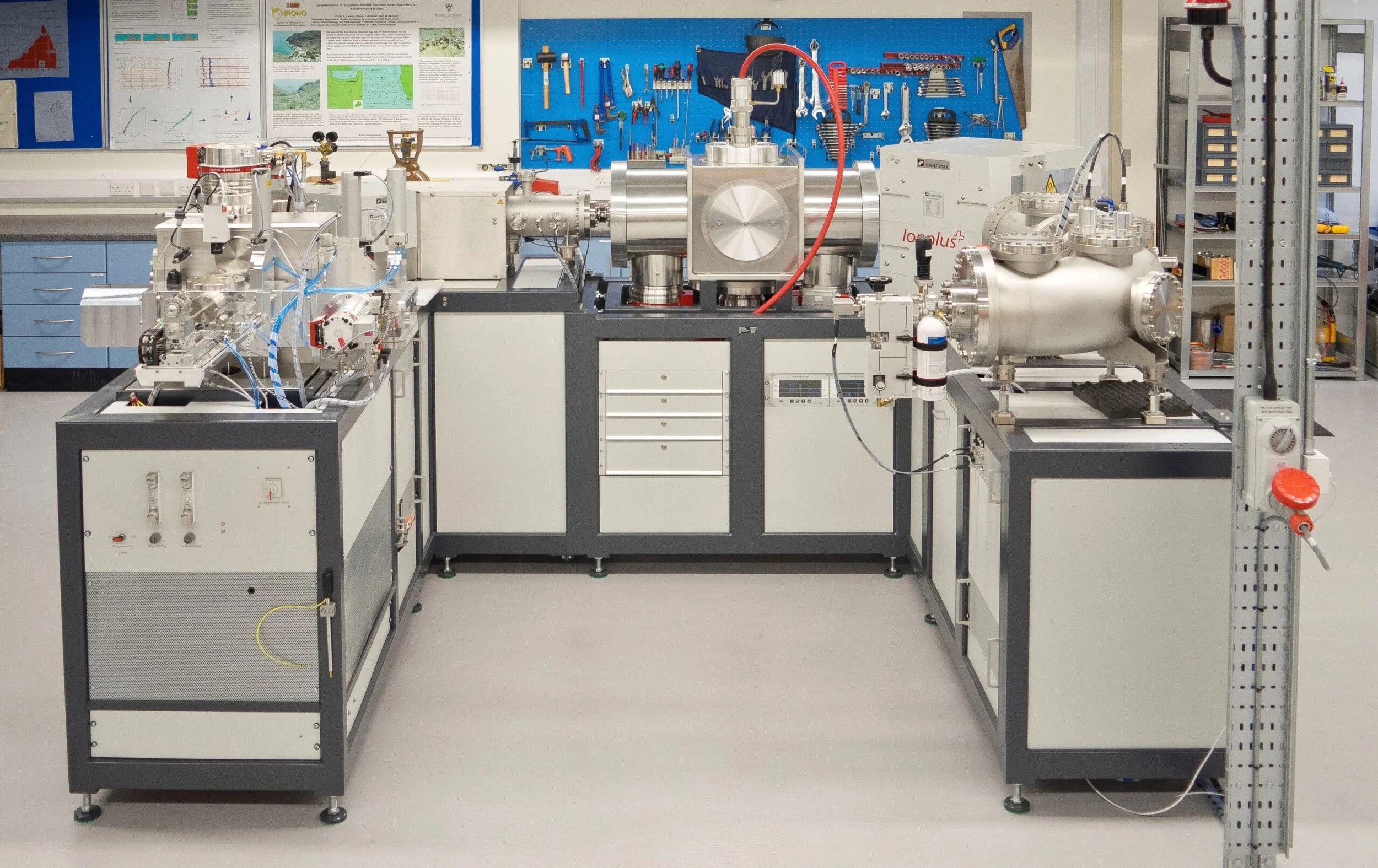
Radiocarbon dating is conducted in a lab using “Accelerated Mass Spectrometry” with a machine like the one above. Image Source